Introduction to Price Projection Mapping
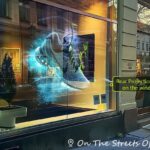
Price projection mapping is an innovative and cutting-edge technique used primarily in the event industry to create visually striking and immersive experiences. This advanced method involves projecting images and video onto various surfaces, transforming these surfaces into dynamic displays that captivate audiences. Unlike standard rental services, which typically offer static presentations, price projection mapping provides a high-margin creative service that elevates the overall event experience.
The process of projection mapping begins with selecting a surface that will serve as the canvas for the projections. This can range from architectural structures to stage backdrops and even product displays. Once the appropriate surface is chosen, designers meticulously map out the dimensions and angles of the projection to ensure accuracy. This precision is essential, as it allows for intricate designs to seamlessly align with the physical elements of the environment.
What sets projection mapping apart from traditional projection methods is its ability to create depth, movement, and interactivity. By utilizing high-quality animations and design techniques, projection mapping can evoke emotions, illustrate narratives, and enhance branding efforts in a way that standard projection services cannot achieve. This capability not only captivates attendees but also leaves a lasting impression, making it a highly sought-after service for event planners.
As a high-margin creative service, price projection mapping has gained popularity across various sectors, including corporate events, concerts, and art exhibitions. Given its unique features and capabilities, it enhances the overall quality of events while providing a substantial return on investment for producers and organizers. This trend underscores the importance of incorporating innovative technologies into event planning to stay competitive in a rapidly evolving market.
Pricing Breakdown: Understanding Value and Costs
Projection mapping projects offer a broad price range, typically between HK$15,000 and HK$80,000 per event. This substantial variation in pricing is influenced by several key factors, which are essential for understanding the value of these creative services.
The first aspect to consider is the scale of the project. Smaller events may require less intricate projection setups, thus falling on the lower end of the pricing spectrum. Conversely, larger events necessitate a more significant investment, incorporating multiple projectors and extensive mapping areas, which can elevate costs significantly. As the scale increases, so too does the complexity of the logistical and technical requirements, leading to higher pricing.
Another critical factor affecting the price is the complexity of the mapping designs themselves. Unique and sophisticated designs that require custom illustrations or animations inherently demand more time and skilled labor. This intricate process involves a deep understanding of the subject matter, as well as the ability to fuse visual elements with the physical environment seamlessly. As such, more intricate mapping designs typically result in higher costs to cover the creative development that enhances the overall value of the projection mapping project.
Technological components also play a vital role in the pricing of projection mapping services. High-quality projectors, specialized software, and advanced hardware are integral to achieving premium results. Moreover, ongoing advancements in technology necessitate that providers regularly invest in updated equipment to remain competitive, further influencing project costs.
In conclusion, the pricing of projection mapping projects reflects the interplay of scale, complexity, and technology. Understanding these aspects allows clients to appreciate the value of such services beyond conventional commodity rentals, underscoring the unique creative potential they offer across various events.
Creative Benefits of Projection Mapping for Events
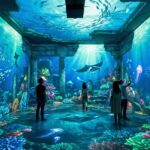
Projection mapping has emerged as a revolutionary technique in the realm of event production, offering numerous creative benefits that significantly enhance audience engagement. Unlike traditional projection methods, projection mapping utilizes advanced technology to transform any surface into a dynamic video display, thereby creating a captivating visual experience. By turning ordinary objects and environments into immersive canvases, event organizers can foster a deeper connection with their audience.
One of the most compelling advantages of projection mapping is its ability to enhance brand storytelling. With the art of strategic visual communication, brands can effectively convey their narratives in a more impactful manner. For instance, a product launch can incorporate storytelling elements through dynamically projected visuals that illustrate the brand’s journey, values, and innovations. This creates a memorable experience that resonates with attendees and reinforces brand identity.
Moreover, projection mapping allows for the creation of personalized experiences at events. Customization options enable organizers to tailor their visual displays according to the preferences, interests, and demographics of their audience. This personalized approach has the power to increase emotional engagement and can lead to more significant interactions during the event. An example of this is an immersive journey created for an art festival where each visitor’s unique behaviors were analyzed to showcase tailored content through projection mapping, enhancing their overall experience.
Several successful projection mapping projects serve as prime examples of its transformative impact on live events. For instance, a renowned music festival integrated projection mapping on stage and surrounding structures, which captivated festival-goers with synchronized visuals that aligned with the musical performance. Additionally, corporate gala events have utilized projection mapping to create stunning visual backdrops, elevating the ambiance while delivering core messages effectively.
In conclusion, the creative benefits of projection mapping for events are profound. By enhancing audience engagement, enriching brand storytelling, and enabling personalized experiences, projection mapping represents a significant leap forward in event production, ensuring memorable interactions and maximizing impact.
Conclusion: The Future of Projection Mapping Services
As we have explored throughout this article, projection mapping represents a sophisticated and artistic approach to elevating events and experiences. The advent of technological advancements combined with creative ingenuity is reshaping the landscape of event solutions, making projection mapping an increasingly desirable service for planners and organizers alike. Exhibiting the ability to transform ordinary environments into captivating visual narratives, projection mapping is set to become a staple in high-margin creative service offerings.
The demand for innovative event solutions is on the rise, driven by the competitive nature of the events industry and the growing expectations of audiences. Event planners are continually seeking ways to differentiate their offerings through unique visual experiences that not only engage attendees but also leave lasting impressions. This trend points to a future in which projection mapping plays a pivotal role, offering the capacity to adapt and scale according to various themes, venues, and audiences.
Investing in high-margin projection mapping projects is a forward-thinking strategy for those in the event planning sector. By embracing this technology, event organizers can enhance their service portfolios, attract a broader clientele, and ultimately increase revenue potential. Projection mapping projects contribute not only to the aesthetic value of events but also enhance storytelling and brand engagement, making them an indispensable tool of modern event strategists.
In closing, the future of projection mapping services is bright and full of opportunities. As the industry evolves, those who strategically implement and innovate within this field will be well-positioned to capitalize on the shifting demands of audiences and the growing need for original and transformative event experiences.